Files and feeds from FOSDEM
February 17, 2009Presentation slides, videos, and event write-ups have begun to surface from FOSDEM (the Free and Open Source Software Developers' European Meeting), which took place Feb. 7-8 in Brussels. The event attracted developers working on a wide variety of open source projects, including GNOME, Mozilla, Free Java, and of course, “Embedded.” (more…)
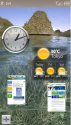 Access is demonstrating its Access Linux Platform (ALP) 3.0 at Mobile World Congress in Barcelona. The new LiMo-compatible “advanced UI” mobile ALP stack leverages Open GL-ES 2.0 to offer 3D special effects, and introduces a standardized API that splits logic from presentation layers, says Access.
  One of Linux's elder statesmen has published an essay about combining proprietary software with GPL-licensed software (such as the Linux kernel) in devices. Focusing on the specific example of mobile phones, Perens offers advice both about what to do and what not to do.
 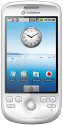 Vodafone and HTC announced the latter's second-generation, all-touchscreen Android phone. Scheduled to ship to Vodafone customers in Europe this spring, the Android Magic offers HDSPA 3G connectivity, and a slimer profile than the G1, lacking the earlier HTC Android phone's slide-out keyboard.
  Nvidia has confirmed a long-rumored port of Google's Linux-based Android mobile stack to its Tegra series of ARM11-based mobile applications processors. Due in the second quarter, the Tegra port of Android marks the first official Linux support for the Tegra chips, which target smartphones and MIDs.
 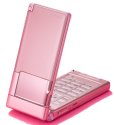 The LiMo Foundation announced nine new LiMo (Linux Mobile) compliant handsets from NEC and Panasonic aimed at NTT DoCoMo's wireless network. The resurgent mobile phone consortium also announced six new members: Telefonica, Aromasoft, Casio Hitachi Mobile Communications, Marvell Semiconductor, Opera Software,…
 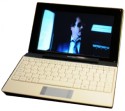 Freescale Semiconductor is demonstrating an Ubuntu Linux-based netbook reference design based on its ARM Cortex A8-based i.MX515 system-on-chip (SoC). Additionally, Freescale announced Android and Xandros Linux ports to the chip, support from Phoenix Technogies's HyperSpace fast-boot technology, and support for…
  After 22 months of “constant development,” the Debian project released version 5.0 (codenamed “Lenny”) on Valentine's Day. The release supports 12 processor architectures, a choice of four desktop environments, and broad standards compliance, the project said.
  Finland-based embedded and mobile outsourcing house Sesca is demonstrating a mobile phone stack that runs on Linux and Symbian. Based on Nokia's open-source Qt application development framework, the “Ample” stack offers touchscreen support, a customizable GUI, and a reference implementation for Openmoko's…
  TI (Texas Instruments) plans to begin sampling its next-generation mobile applications processors in the second half of the year, it announced. OMAP4 chips will feature dual, SMP-capable ARMv7-based cores, along with C64x DSPs, multi-format hardware accelerators, a “programmable” graphics engine, and an “image signal…
  Foreword — Glenda Dorchak joined embedded and real-time virtualization specialist VirtualLogix in January, taking over the CEO role. Dorchak has 30 years of tech industry management experience, most recently at Windows Mobile device specialist Intrinsyc, and plans to focus the company on high-growth…