Single-core software-only Linux VoIP stack runs on sub-$14 SoC
August 3, 2004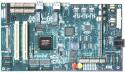 HelloSoft has optimized its software-only Linux VoIP stack for a single-core ARM-based system-on-chip (SoC) from Toshiba America Electronics Corporation (TAEC). The combined hardware/software design simplifies VoIP phones, eliminating the separate DSP (digital signal processor) and associated bus… (more…)
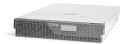 Snap Appliance has revised the embedded Linux operating system used in its family of network-attached storage products. GuardianOS 3.1 features new support for NDMP (network data management protocol) and S2S Synchronization v2, improved iSCSI and file server performance, and new server replication, backup, and recovery…
 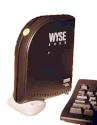 Wyse has upgraded its Linux-based thin-client OS to the 2.6 branch, and is rolling out a new Linux thin client. Wyse's Linux V6 operating system features improved security, manageability, and flexibility, while the Winterm 5150SE client could finally help Linux gain traction on the desktop, Wyse says.
 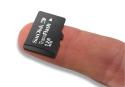 SanDisk Corporation has introduced a new line of fingernail-sized removable Flash memory cards that it hopes will become a de facto industry standard for providing user-upgradable internal as well as external storage in the coming wave of smartphones.
 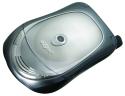 [Updated Aug. 6, 2004] — A Linux smartphone will soon be available to US cellular subscribers in the Chicago area. Shanghai-based E28's e2800+ has been available in China since July, and builds upon E28's previous e2800 model, which was the world's first commercially available Linux smartphone, E28 says.
 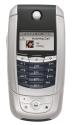 US mobile phone customers will at last gain the option of a Linux-based handset later this year, when operators begin offering a high-end Motorola Linux/Java smartphone aimed at business professionals.
 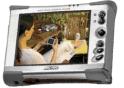 A new project is developing a Linux port for Archos portable multimedia harddisk player/recorders. The LinAV project began in April, and has focused initially on the AV3xx-series devices, so far releasing a working kernel and a build environment for graphical applications based on the nano-X API.
 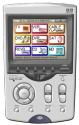 Sony has used Linux in a $700 universal remote with a color LCD touchscreen display and a host of gee-whiz features. The RM-NX7000 “Navitus Remote Commander” replaces most any infrared remote after sniffing its beam, and can control stereos, TVs, DVDs, satellite receivers, and more.